
A Decade of Transformation: What Long-Term Partnership Makes Possible
Myal Greene, CEO and President, World Relief
As The Rees-Jones Foundation continues to celebrates its 20th anniversary year of grantmaking, we continue to think back on our long-standing partners who have remained steadfast in their mission and resolved to work for transformation in children and families’ lives. In a discussion recently, Myal Greene of World Relief shared a personal reflection on his time as CEO of the organization and what partnering with The Rees-Jones Foundation staff has meant to him. His comments were very meaningful for the Foundation team and we wanted to share here as well in celebration of our grantees who continue to inspire us everyday .
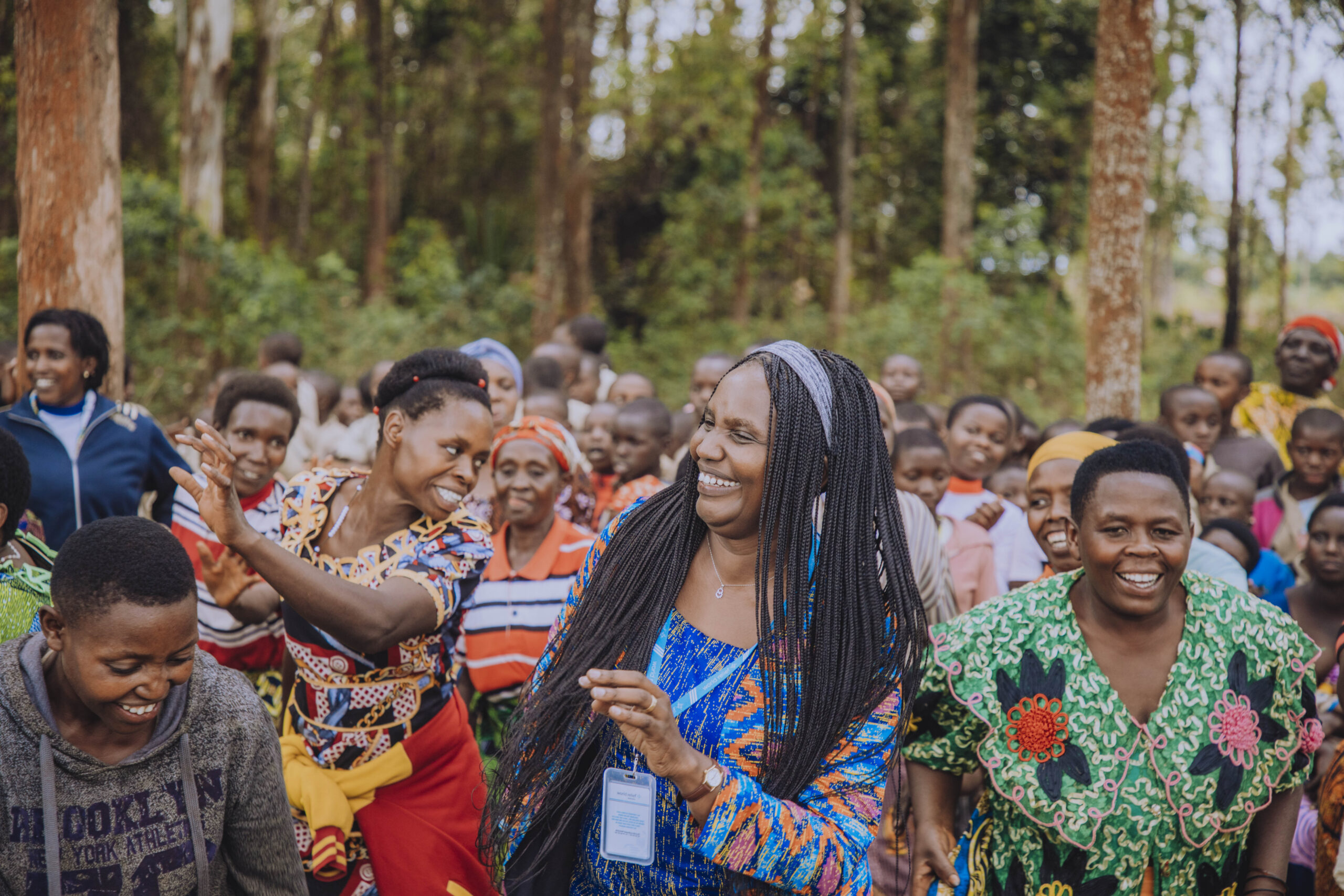 As The Rees-Jones Foundation marks its 20th anniversary, I find myself reflecting with deep gratitude on what our partnership has made possible through World Relief over the past decade.
My thoughts go back to 2016, when I had the privilege of traveling to Malawi alongside members of the Foundation’s staff on their first visit to the country. Most memorable was a visit to a church-hosted early childhood development center, where community volunteers and parents were providing a safe and nurturing environment for young children.
In the decade since, we have partnered together to open many more early childhood development centers in Malawi and establish a network of centers in Burundi, extending the model far beyond what any of us could have imagined during that first visit.
At the time, it was impossible to know how many lives would ultimately be touched through that partnership. Looking back now, that visit feels like an early glimpse of what sustained, long-term investment could make possible.
When partnerships begin, we seldom see the full story. Often, we focus on immediate needs, annual goals, and the next faithful step in front of us. But the deepest impact of a partnership can only be understood over time.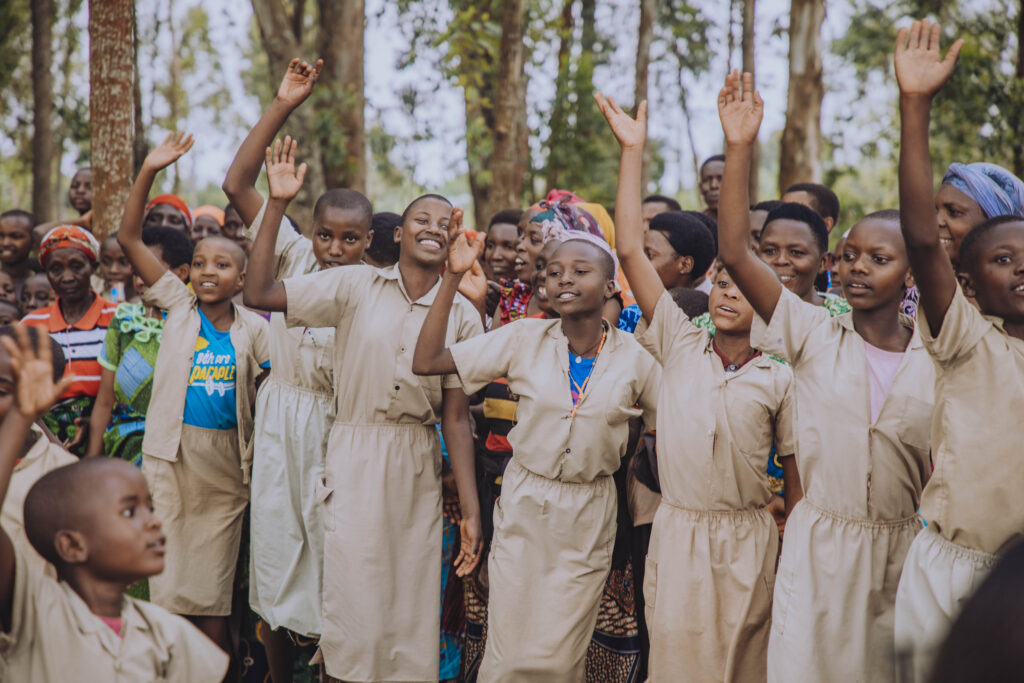
Now, after more than a decade of partnership in Burundi and Malawi, we can see much more clearly what has been built. What began as support for vulnerable children and families has grown into something far deeper: stronger families, safer children, more inclusive communities, and local churches equipped to serve as lasting agents of hope and transformation.
Early in my time helping pilot this church-centered model, I shared a simple vision with The Rees-Jones Foundation team: local churches, when equipped and mobilized, can play a powerful role in strengthening families, protecting children, and serving the most vulnerable in their communities. The churches were already present, trusted, and deeply connected to the people they served. What was needed was partnership that could translate compassion into sustained action.
The Rees-Jones Foundation saw that potential early. Since 2015, their nearly $10 million commitment in Burundi and Malawi has helped turn that vision into a durable reality.
Some of the clearest evidence of that impact can be seen in families themselves. In Malawi, one family described how their home had once been marked by violence, distance, and pain. Through World Relief’s Families for Life program, they learned about mutual respect, communication, and healthy parenting. Over time, a husband who had once been absent and abusive became engaged, supportive, and attentive as a husband and father. Their daughter now grows up in a home marked by peace instead of instability. Their story reflects something we have seen again and again: when families are restored, children flourish.
The same is true in the area of disability inclusion. In northern Malawi, a 15-year-old girl with a physical disability entered a classroom for the first time after spending her life at home, uncertain whether school would ever be possible for her. Encouraged through a disability inclusion 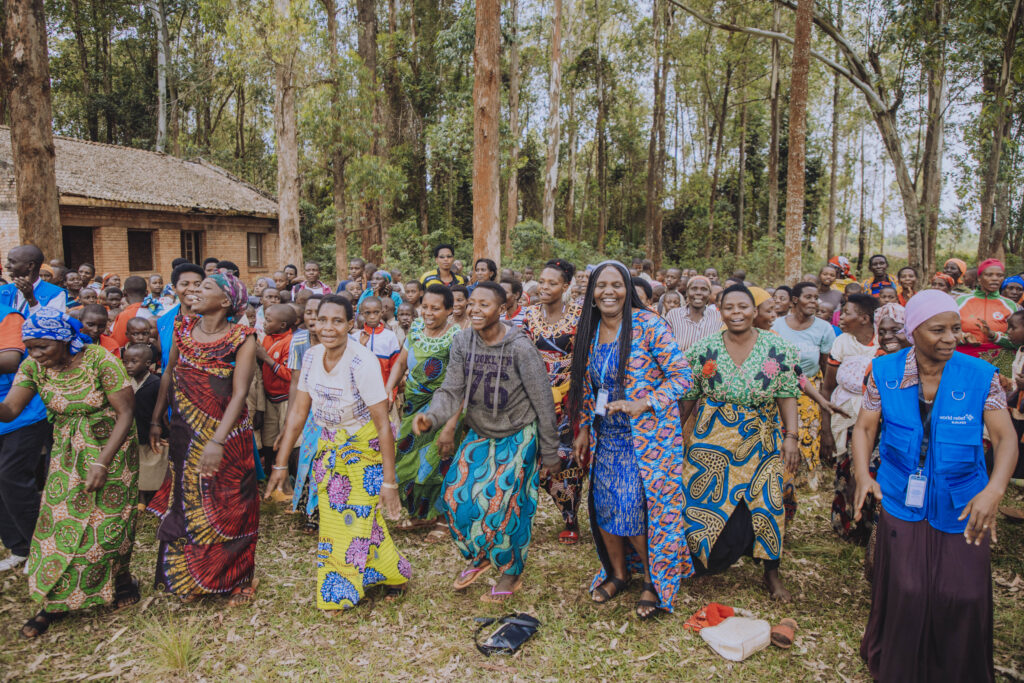 group connected to World Relief’s work, her mother enrolled her in school. In response, the school and community built disability-friendly facilities so she could attend safely. What changed was not only one girl’s access to education, but a community’s understanding of dignity, belonging, and inclusion.
As I look back on this partnership, that is what stands out most. The Rees-Jones Foundation did not simply fund a series of annual activities. They helped nurture a model of transformation that deepened over time. Churches became leaders in child protection. Families experienced healing and restoration. Communities challenged stigma and made space for those who had long been excluded.
Most importantly, local ownership grew stronger.
Today, local churches and community leaders are carrying this work forward themselves. They are supporting families, protecting children, fostering inclusion, and contributing their own resources to sustain what has been built. That kind of ownership is not created quickly. It is the fruit of patient, long-term partnership.
As we celebrate The Rees-Jones Foundation’s 20th anniversary, I am grateful not only for their generosity, but for their willingness to invest in work whose deepest results could only be seen over time.
That is the power of long-term partnership. And that is a legacy worth celebrating.