
20 Years of Investing in International Disability Work
By Nathan O’Halloran, Senior Program Officer
For 20 years, The Rees-Jones Foundation has partnered with faithful organizations internationally who are working to bring hope and healing to those with disabilities. When the Foundation first became involved with organizations like Mercy Ships, CURE International, and Hope Walks, children with conditions like clubfoot in Africa were facing abysmal futures given the intensity of their conditions. Doctors underwent extensive training to learn the best methods for treating clubfoot in particular, mothers were helped with postnatal care, and resources were provided for surgical recovery. Nathan O’Halloran, our senior international program officer, reflected recently on the impact that disabilities can have on children and their families overseas, and also spent time meditating on the Christian implications of living with a disability. The Foundation truly stands in awe of our partners’ work across the globe as they work with these beautiful children and their families every day.
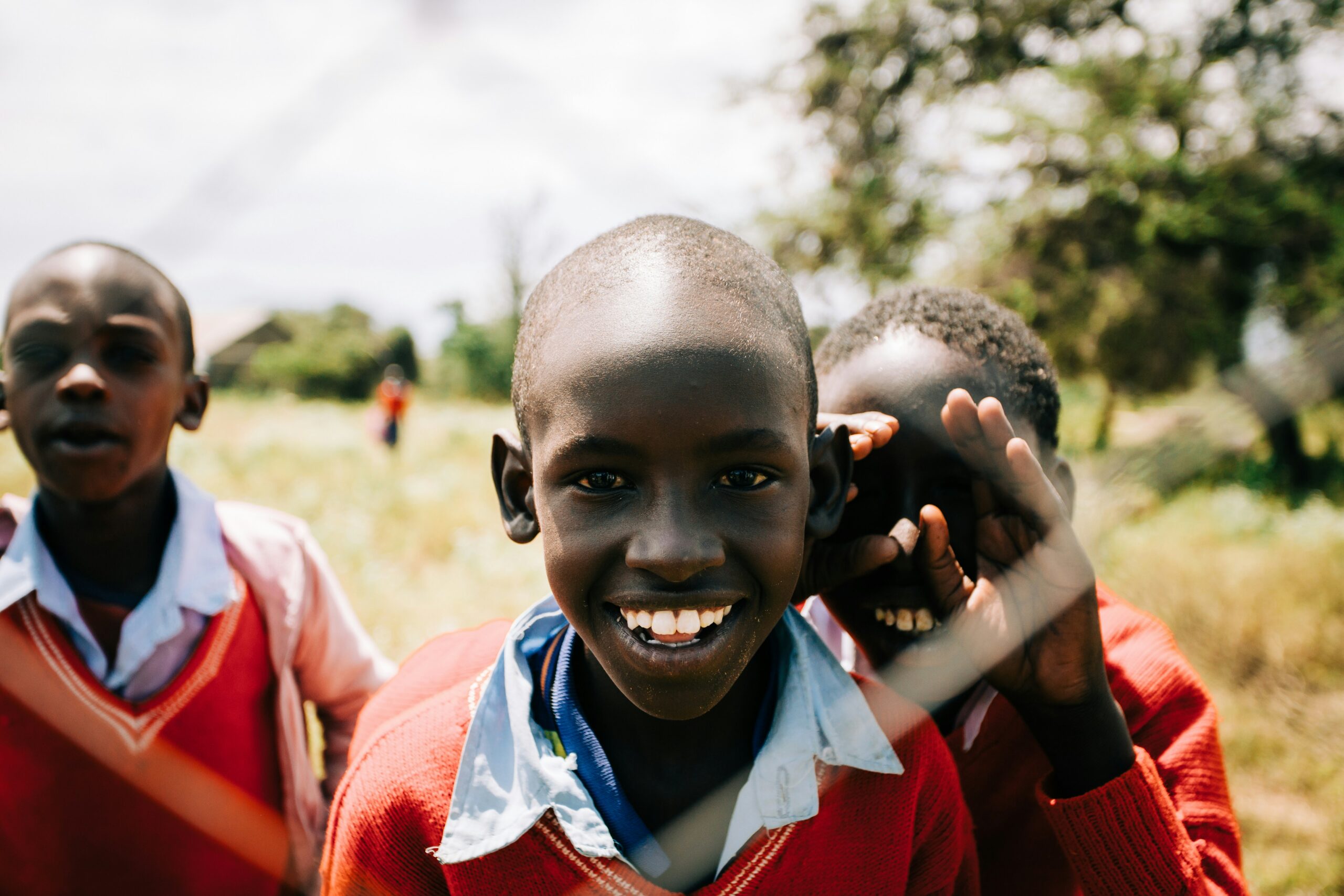
Recently I asked one of our partner organizations – Kupenda for the Children in eastern Kenya – if I could look at their training materials for pastors. In many parts of Africa, disability is treated as a curse, and its cause as coming from demons, infidelity, curses, witchcraft, or God Himself. Children with disabilities are often hidden away from the public eye, and many parents are ashamed to have a child with such challenges. Many pastors themselves hold these views about the causes of disability and attempt to pray for healing over the children. Of course, there is nothing wrong with praying for healing, but if no healing happens, the parents are often blamed for lack of faith.
And yet, after taking Kupenda’s course, many pastors change their minds. They become convinced in a matter of a few days that their ideas are wrong and come away with a new perspective. World Relief representatives in Malawi, who use the same materials, told me the same thing: the transformation of the minds of pastors is often immediate. When they are challenged to reread passages such as John 9:1-3 with an eye toward their convictions about disability, they are often immediately convinced of their error. They recognize that, like the man born blind, those born with disabilities are not being punished for their own sin or that of their parents. Meditating on the Pool of Bethesda story (John 5:1-13), they recognize that Jesus did not heal everyone who had a sickness or disability.
This got me wondering about the Scriptures used in the training materials. Because I realized that when I think about Jesus and disability, all I too could think about was Jesus healing physical disabilities and crediting the healing to the person’s faith. What Scriptures would Kupenda use to highlight the beauty of the disabled person themselves?
I was struck by their guiding Scripture from Luke 14:21-23 –”Then the owner of the house became angry and ordered his servant, “Go out quickly into the streets and alleys of the town and bring in the poor, the crippled, the blind and the lame.” “Sir,” the servant said, “what you ordered has been done, but there is still room.” Then the master told his servant, “Go out to the roads and country lanes and compel them to come in, so that my house will be full.”
As I read this Parable of the Great Banquet again, I realized with surprise that I had never really noticed who Jesus was welcoming to the banquet. I had always focused on who did not accept the invitation and overlooked the fact that Jesus, as usual, was inviting those often overlooked by others. Nor is anything said here about healing “the crippled, the blind and the lame.” The Facilitator of the workshop then asks: “What is the heavenly banquet on Earth?” The answer: “the Church.” It is the job of pastors to go out and invite the those with disabilities into their churches and make them feel like honored guests.
I was reminded of the powerful scene from The Chosen, Season 3, Episode 2 when Little James asks Jesus to heal his cerebral palsy. Jesus responds:
But think of the story that you have, especially in this journey to come, if I don’t heal you. To know how to proclaim that you still praise God in spite of this. To know how to focus on all that matters so much more than the body. To show people that you can be patient with your suffering, here on earth, because you know you’ll spend eternity with no suffering. Not everyone can understand that. How many people do you think the Father and I trust this with? Not many.
No, not many indeed. I was reminded of Moses’ speech impediment (Exodus 4:1-17) and realized how God can work powerfully through physical disability—not despite it. I was reminded too of Nelius at BethanyKids and George at Kupenda for the Children and thought, “they truly have to be a special kind of person to be entrusted with so tremendous a responsibility.” The Jesus of The Chosen continues: “So hold on a little longer. And when you discover yourself finding true strength because of your weakness, when you do great things in my name in spite of this, the impact will last for generations.”
We at the Foundation are beyond grateful for our partners who work with children living with disabilities. And we are grateful for these children who witness to us of “God’s power made perfect in weakness” (2 Cor 12:9). Theirs is an impact that will not only “last for generations” but that also speaks to us now, today.