
20 Years: Investing in Animal Welfare
By Lynn Gibson, Senior Program Officer
As The Rees-Jones Foundation enters its 20th year of grantmaking, this anniversary offers a time to reflect on our partners’ accomplishments over the past two decades. Within the focus area of animal welfare, looking back offers an opportunity to celebrate where we are today.
In 2007, the Foundation’s first grant in the animal welfare portfolio was a grant to SPCA of Texas. At the time, Dallas Animal Services (“DAS”) was a department within the City of Dallas’ Code Compliance department. The percentage of animals leaving alive was only 13.8%.
For many years, residents in West and southern Dallas were confronted with loose and aggressive dogs in their neighborhoods. They did not feel safe walking on their streets and often armed themselves to protect against aggressive animals. City Council meetings were regularly filled with residents complaining about the loose dogs roaming around the streets of Dallas, but nothing happened. Until, the unthinkable happened. In 2016, Antoinette Brown was killed by a pack of aggressive dogs in her neighborhood in southern Dallas. In response, the City of Dallas engaged.
Animal Commissioner Peter Brodsky reached out to the animal funders (who had been convening through a project called The Big Fix) to encourage a study that would quantify the problem. Nobody at the time knew just how many dogs were on the streets and that was important to understand. A variety of funders – The Meadows Foundation, The McCune Foundation, The Dallas Foundation, Communities Foundation of Texas, and The Rees-Jones Foundation – all contributed and Boston Consulting Group (“BCG”) was hired to conduct a study that would count animals on Dallas streets and make recommendations to address the problem in our community.
The BCG Report detailed the scope of the problem (there were an estimated 8,700 loose dogs in southern Dallas) and outlined seven priorities to address the loose dog problem in Dallas (six focused on changes the city needed to make and one was a recommendation for a large-scale, private-sector, spay-neuter project).
The animal funders, including The Rees-Jones Foundation, reconvened to discuss plans for a spay-neuter campaign. “Let’s Fix This” grew out of these meetings and, to date, is the largest spay-neuter campaign in the U.S.
During a period from 2018 to 2023, nearly 80,000 free spay-neuter surgeries were made available to our community. 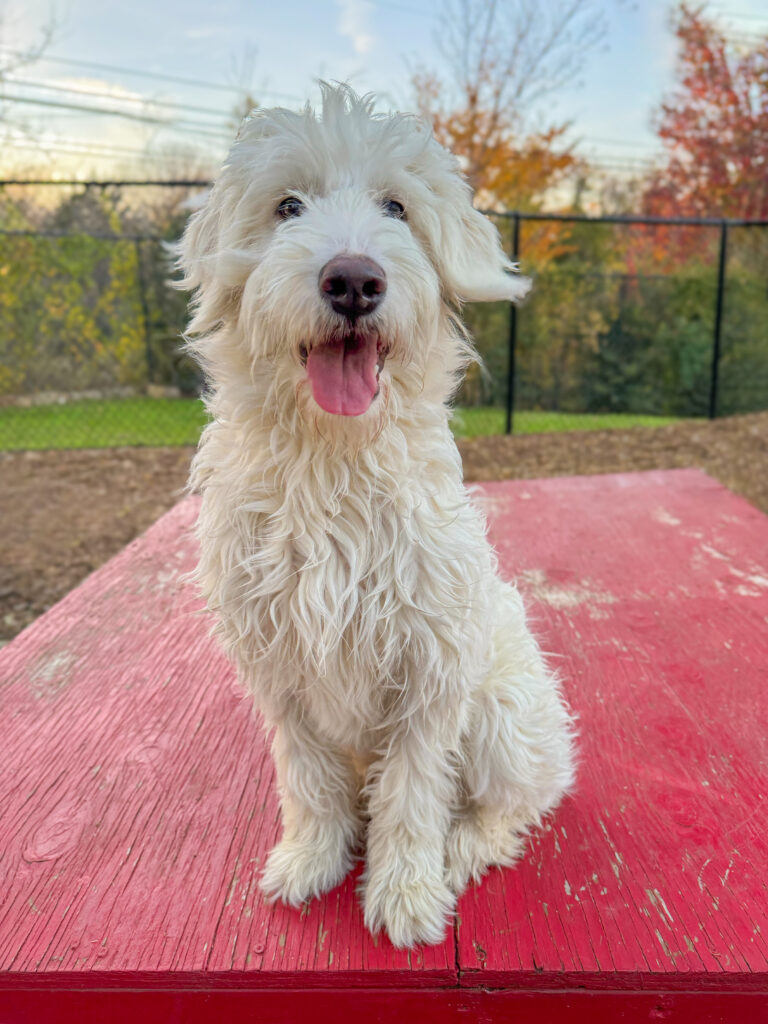 Of these, 68,282 were canine surgeries. This is important because loose dogs, as previously mentioned, can pose a public safety risk.
In more recent years, organizations, including Operation Kindness, Bissell Pet Foundation, and other animal welfare organizations, have become close partners with the Foundation in prioritizing the humane treatment of companion animals and the safety of our neighbors. Operation Kindness shared recently about Mr. R: “Our Community Initiatives team went door to door in a senior living facility, right across the street from a community center in south Dallas. The team regularly partners up with this community center to host vaccine and microchip events. While we handed out flyers and gave out free resources, one of our team members knocked on Mr. R’s door and spoke to him about a $5.00 event we were hosting the next day. He said he had no transportation and had not been able to take his seven year-old dog to a vet since she was a puppy. Our team handed him a new collar and leash along with our information flyer about the event. The next day, Mr. R came to our event! We vaccinated and microchipped his sweet dog for less than $10.He thanked us profusely for all the help, and we were also able to provide him with a couple of cans of dog food. After Mr. R left our event, the outreach coordinator at the community center came to speak to our team and was almost in tears. The community center had known Mr. R for over eight years and said that he had never stepped foot outside his door. We were so glad that he happily came out to get his pet the care she needed.”
Human lives have been impacted alongside the lives of companion animals. The results of the spay-neuter work, in particular, have been seen at Dallas Animal Services as well. With a higher live release rate, more animals are being saved, fewer animals are being euthanized, and fewer animals are roaming the streets of southern Dallas. We conduct a dog count every other year to ensure communities are still enjoying their neighborhoods, free from roaming dogs and indeed, reports continue to show that there are far less loose dogs.
In December 2025, the monthly live release rate for dogs and cats showed that nearly nine out of every ten dogs and cats that enters DAS, has a positive outcome – they are adopted or transported to rescues in areas that don’t have enough adoptable pets.
The Foundation continues to celebrate the work of all of our partners in the animal welfare space as they work to increase low-cost spay/neuter services, veterinary treatment access, and transport and adoption opportunities for dogs and cats. We continue to hold the belief that when companion animals are treated humanely with love and care, it contributes to the overall well-being of children and families.